
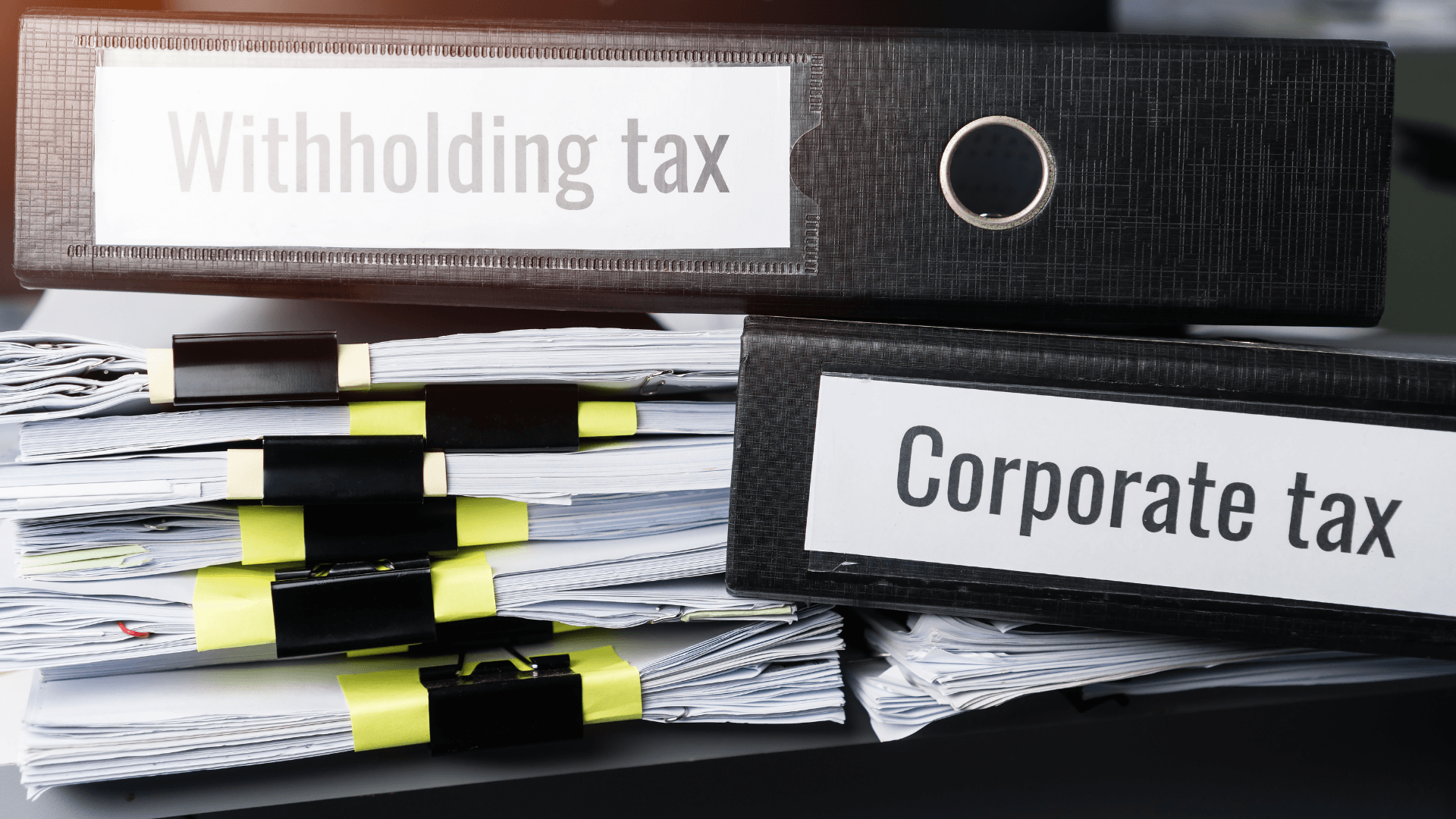
Tax records are among the most important documents a business maintains. From income statements and payroll records to expense reports and supporting documentation, these files play a critical role in financial management and regulatory compliance.
However, many business owners eventually face the same question: How long should tax records be kept before they can be securely destroyed?
Holding onto records indefinitely can create unnecessary storage challenges and increase the risk of sensitive information falling into the wrong hands. Destroying records too soon, on the other hand, could leave a business unprepared if questions arise from regulators, auditors, or tax authorities.
Understanding tax record retention best practices can help Pennsylvania businesses stay organized, compliant, and secure.
Why Proper Tax Record Retention Matters
Tax records contain a significant amount of confidential information. Financial statements, employee payroll data, vendor information, banking records, and tax filings all contain details that could be valuable to identity thieves or fraudsters if improperly discarded.
Beyond security concerns, tax records also serve as supporting documentation for income, deductions, credits, and business expenses. Maintaining these records for the appropriate period helps businesses respond to audits, verify financial transactions, and support regulatory compliance.
A clear document retention strategy reduces uncertainty while helping organizations manage both physical and digital records more efficiently.
How Long Should Businesses Keep Tax Records?
The appropriate retention period can vary depending on the type of document and the circumstances surrounding a tax filing.
According to the Internal Revenue Service (IRS), businesses should generally keep records that support items reported on a tax return for at least three years from the date the return was filed. In certain situations, longer retention periods may apply. For example, records related to underreported income or specific asset transactions may need to be retained for longer periods.
Because retention requirements can vary, businesses should consult with their accountant, tax advisor, or legal counsel when developing a records retention policy.
The Risks of Keeping Tax Records Too Long
Many organizations assume that keeping every document forever is the safest approach. In reality, excessive document retention can create new problems.
As records accumulate year after year, filing cabinets, storage rooms, and archives become increasingly difficult to manage. Locating important information takes longer, and storage costs continue to grow.
More importantly, every unnecessary file contains information that must be protected. Old tax records often include Social Security numbers, employee data, banking information, and financial details. If those records are lost, stolen, or improperly discarded, the consequences can be significant.
A structured retention and destruction program helps reduce these risks while maintaining compliance.
What Tax Documents Can Be Shredded?
Once records have exceeded their required retention period, businesses should evaluate whether they are eligible for secure destruction. Common examples may include:
- Outdated tax returns
- Payroll reports beyond retention requirements
- Obsolete financial statements
- Expired vendor records
- Supporting documentation that is no longer required
- Duplicate accounting files
Before destruction, businesses should verify that documents are no longer subject to regulatory, legal, or operational requirements.
When in doubt, consulting with a tax professional can help ensure records are retained for the appropriate length of time.
Why Professional Shredding Is the Safest Option
Tax records should never be discarded in standard trash or recycling containers.
Even documents that appear outdated may contain enough information to facilitate identity theft, fraud, or unauthorized access to business accounts.
Professional shredding services provide a secure method of destruction that ensures information cannot be reconstructed.
Tri-State Shredding offers both on-site and off-site shredding services for businesses throughout Pennsylvania. Their NAID-certified processes help organizations securely destroy confidential documents while maintaining a documented chain of custody.
Businesses also receive a Certificate of Destruction confirming that records were destroyed according to industry standards.
Scheduled Shredding vs. Annual Record Purges
Every business generates tax-related paperwork differently.
Some organizations maintain a steady flow of financial documents throughout the year and benefit from scheduled shredding services. Secure containers can be placed within the workplace and serviced regularly, helping prevent sensitive records from accumulating unnecessarily.
Other businesses may prefer annual or periodic record cleanouts. These one-time purge projects are particularly useful for companies that have accumulated years of archived tax records and need to free up valuable storage space.
Both approaches support better information management and reduce the risks associated with retaining outdated records.
Don’t Forget Digital Tax Records
While paper documents remain common, many businesses now maintain tax information electronically.
Old computers, backup drives, and storage devices may contain years of financial data that require the same level of protection as paper records.
When electronic media reaches the end of its lifecycle, secure destruction is just as important as document shredding. Businesses should ensure that digital records are disposed of properly to prevent unauthorized access to sensitive information. Tri-State Shredding provides hard drive destruction services alongside document shredding to support comprehensive information security.
Build a Better Records Management Strategy
Effective records management isn’t simply about storing documents. It’s about knowing when to retain records, when to archive them, and when to destroy them securely.
By establishing a documented retention policy and partnering with a trusted shredding provider, Pennsylvania businesses can improve organization, reduce risk, and maintain compliance with confidence.
A proactive approach to tax record management helps protect both your business and the sensitive information entrusted to you.
Securely Dispose of Outdated Tax Records with Tri-State Shredding
Whether you’re cleaning out years of archived financial records or implementing an ongoing document management program, secure destruction should be part of the process.
Tri-State Shredding provides on-site shredding, off-site shredding, scheduled document destruction, one-time purge services, and hard drive destruction for businesses and residents throughout Pennsylvania.
Ready to securely destroy outdated tax records and financial documents?
Contact Tri-State Shredding today to learn more about professional document destruction services that help protect your business, your employees, and your customers.