
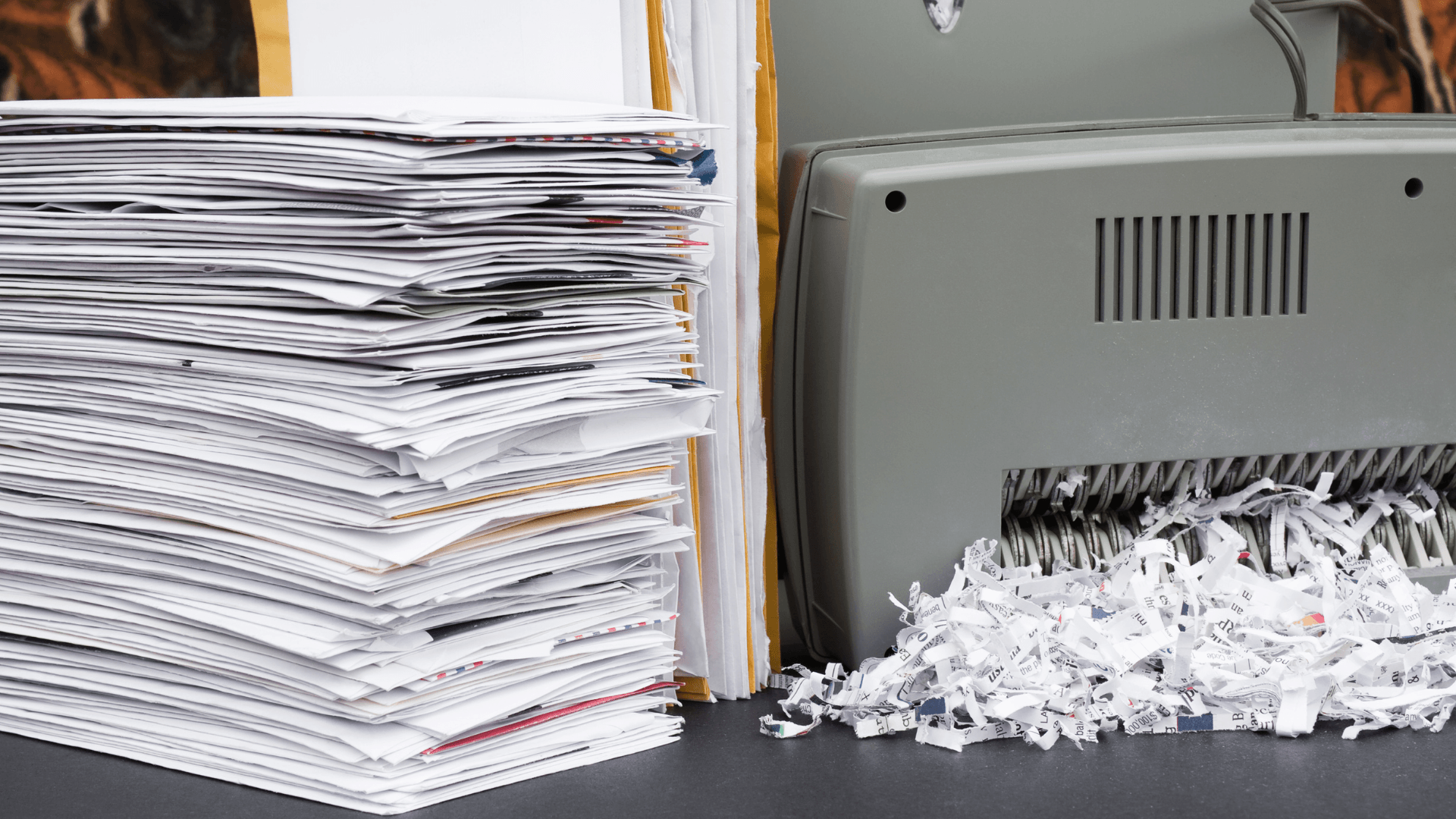
Artificial intelligence is transforming the way businesses store, analyze, and manage information. From automated customer service to predictive analytics, organizations now generate and handle more data than ever before. While digital security receives most of the attention, a critical vulnerability often gets overlooked: physical documents.
In 2025, data breaches will no longer be limited to hackers and malware. The rise of AI has made data privacy, regulatory compliance, and secure document destruction more important than ever. Businesses that neglect physical records risk costly fines, reputational damage, and legal consequences.
In this article, we’ll explain how AI is changing data security and why professional document shredding services remain a crucial part of your risk management strategy.
How AI Is Changing Data Risk for Businesses
Artificial intelligence thrives on data. The more information companies collect, the more valuable their insights become. However, this increased reliance on data also introduces new risks. AI tools now process:
- Employee records
- Financial statements
- Client contracts
- Healthcare and legal documents
- Vendor and operational data
Many of these documents still exist in paper form at some stage of their lifecycle. Even in highly digital workplaces, printed files, notes, and archived records remain common.
The reality is simple: If it exists on paper, it can be stolen.
Cybersecurity solutions cannot protect documents left in filing cabinets, storage boxes, or office recycling bins.
The Overlooked Threat: Physical Data Breaches
When people think of data breaches, they picture cyberattacks. Yet physical data breaches are surprisingly common and often easier to execute. Examples include:
- Unauthorized access to file rooms
- Documents left at printers or desks
- Improperly discarded paperwork
- Theft of archived records
- Dumpster diving
According to the FTC and privacy regulators, improper disposal of sensitive documents remains one of the most preventable causes of identity theft and corporate data exposure.
This is why regulations require businesses to securely destroy confidential documents when they are no longer needed.
Compliance Requirements Are Becoming Stricter
As AI expands, governments are strengthening privacy regulations to protect consumers and employees.
Depending on your industry, your business may be subject to:
- HIPAA (Healthcare)
- FACTA (Financial & Consumer Data)
- GLBA (Financial Institutions)
- GDPR (International Data Protection)
- State privacy laws and identity theft regulations
These laws require organizations to implement secure disposal practices for sensitive information. Simply throwing documents in the trash is not compliant.
Professional shredding provides a documented, secure chain of custody that helps businesses meet legal and regulatory requirements.
Why Office Shredders Are No Longer Enough
Many companies still rely on in-office shredders. While convenient, they present serious limitations:
1. Human Error
Employees may forget to shred documents or dispose of them incorrectly.
2. Time and Productivity Loss
Shredding large volumes of documents wastes valuable employee time.
3. Security Gaps
Office shredders lack controlled processes and secure transport.
4. No Proof of Compliance
Most office shredders do not provide a Certificate of Destruction.
Professional shredding services eliminate these risks through secure procedures and verified destruction.
The Role of Scheduled Shredding in Modern Data Protection
With AI driving constant data creation, businesses must think beyond one-time purges. A proactive approach is essential. Scheduled shredding services provide ongoing protection by:
- Placing secure collection containers in your workplace
- Ensuring routine pickup and destruction
- Maintaining documented compliance records
- Reducing the risk of internal and external breaches
This approach creates a consistent, reliable system for managing sensitive information.
Remote Work and Hybrid Offices Increase Paper Risk
The shift toward remote and hybrid work environments has introduced new vulnerabilities. Employees now print sensitive documents at home, including:
- Contracts and agreements
- Payroll records
- Client information
- Medical or legal files
Without secure disposal methods, these documents may end up in household trash or recycling.
Many organizations now offer residential shredding services to support remote employees and maintain compliance across distributed teams.
Environmental Benefits of Professional Shredding
Secure shredding is not only about security, but it also supports sustainability goals. Reputable shredding companies recycle 100% of shredded paper, helping businesses:
- Reduce landfill waste
- Lower their carbon footprint
- Meet ESG and sustainability targets
Businesses can protect data while contributing to environmental responsibility.
Building a Complete Information Security Strategy
A strong data protection plan combines:
- Cybersecurity measures
- Employee training
- Access controls
- Secure document storage
- Professional document destruction
Ignoring physical records leaves a critical gap in your security strategy. In an AI-driven world, every piece of data matters, whether digital or physical.
Key Takeaways
As AI transforms the business landscape, organizations must rethink their approach to data security. Remember:
- AI increases the volume of sensitive data businesses handle
- Physical documents remain a major security risk
- Regulations require secure document destruction
- Office shredders are not sufficient for compliance
- Scheduled shredding ensures ongoing protection
Secure document destruction is no longer optional; it is an essential business practice.
Protect Your Business with Secure Shredding
Tri-State Shredding helps businesses safeguard sensitive information with reliable, compliant, and eco-friendly shredding solutions.
Whether you need one-time purge shredding, scheduled service, or residential shredding, our team provides secure and convenient solutions tailored to your needs. Contact Tri-State Shredding today to schedule your service.